Specialized Memory Care Residences for Alzheimer’s Care
Memory Care Services: Specialized Help for Alzheimer's and Dementia
Memory care initiatives serve an important role in assisting individuals with Alzheimer's and dementia. These specialized programs focus on enhancing quality of life through customized treatment approaches and trained staff. They establish safe environments that promote cognitive engagement and social interaction. Comprehending the essential features of these services can help families manage the complexities of care. What specific elements affect their effectiveness, and how can families best engage in this journey?
 }
}What Do Memory Care Services Entail and How Can They Aid Families?
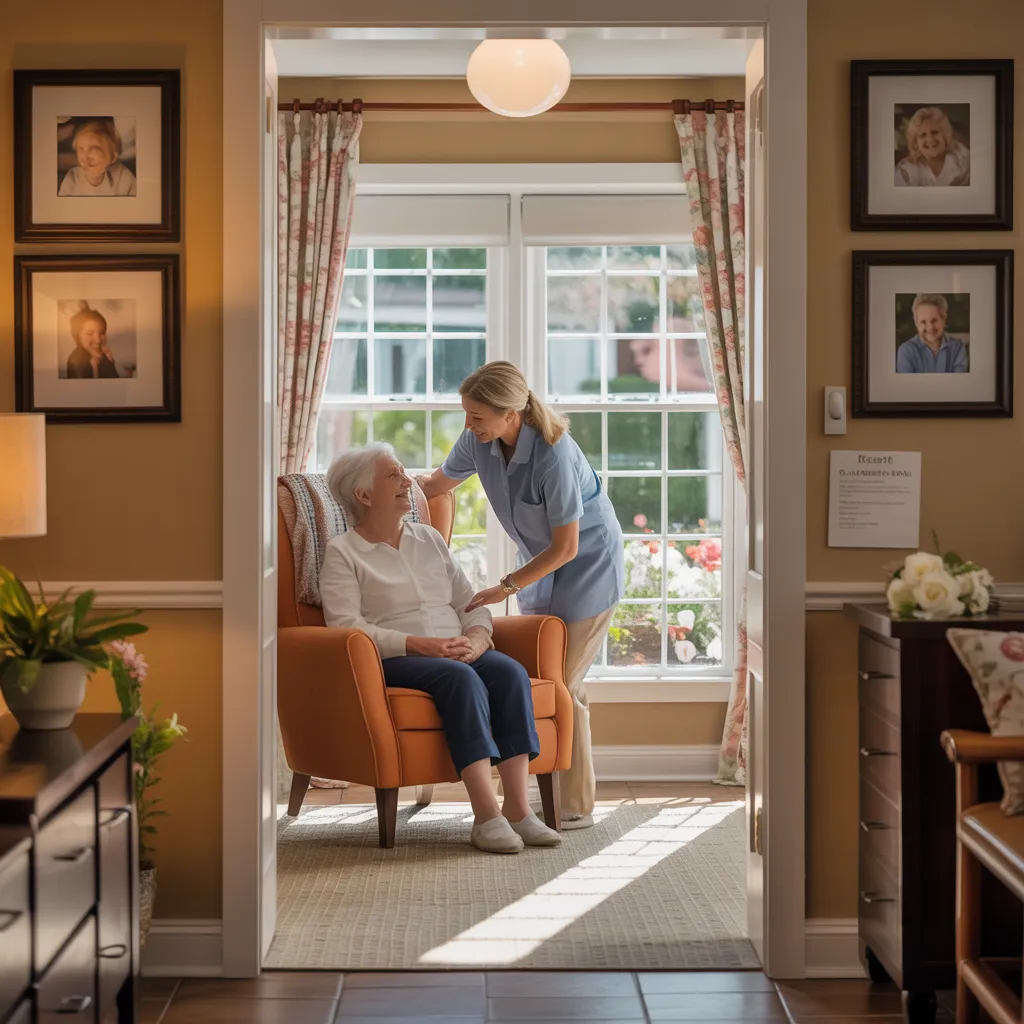
How can memory care programs exactly assist families dealing with the obstacles of cognitive decline, and what are they? Memory care services are tailored services created to assist individuals with Alzheimer's disease, dementia, and other mental health disorders. These programs offer a structured environment customized to meet the unique needs of residents, fostering safety, engagement, and dignity.
Families regularly encounter emotional and practical challenges when looking after family members dealing with cognitive decline. Memory care facilities offer assistance through trained staff who understand the intricacies of these disorders. This includes developing personalized care plans, overseeing proper medication administration, and promoting meaningful social engagement.
The environment in memory care settings is specifically designed to reduce confusion and encourage autonomy, allowing individuals to participate in purposeful pursuits. By offering respite for caregivers, memory care programs allow families to concentrate on their well-being while knowing their loved ones are in a secure, caring setting.
Fundamental Components of Successful Memory Care Initiatives
Successful memory care operations incorporate several essential features that enhance the quality of life for residents. First, tailored care plans are fundamental, as they handle each resident's individual requirements, preferences, and challenges. These plans are continuously adjusted to reflect any developments in health. Additionally, knowledgeable caregivers supply specialized support, ensuring that caregivers acknowledge the complexities of Alzheimer's and dementia.
Additionally, engaging in activities intended to strengthen cognitive function and support interpersonal connection are critically important. Initiatives regularly feature memory exercises, arts and crafts, and musical treatment, establishing a sense of community within the participant group. Secure and protected settings are equally vital, allowing participants to traverse without restriction while lowering the risk of accidents.
Ultimately, family engagement is fostered, establishing a caring community that helps residents feel connected. Together, these features contribute to a complete framework that focuses on personal respect, physical comfort, and quality of life.
How Can Memory Care Facilities Advance Safety and Comfort?
Memory care environments are designed with many safety features that markedly improve residents' comfort and general welfare. These facilities typically include secure layouts that reduce confusion and wandering, ensuring that residents can navigate without the risk of getting lost. Anti-slip flooring, grab bars, and well-lit common areas further add to a secure atmosphere.
Plus, specialized care places regularly feature gentle tones and familiar decor to generate a soothing ambiance. This deliberate design lessens anxiety and instills a connection with others. Outdoor spaces are important, providing residents with access to nature, which evidence suggests improve mood and holistic health.
Emergency response systems and staff qualified in safety protocols certify that help is readily available when needed. By zeroing in on these elements, memory care environments prioritize the safety and comfort of residents, facilitating them to thrive in a compassionate environment tailored to their unique needs.
Why Professional Personnel Deliver a Change in Memory Care
While the environment plays an essential role in elderly care, the expertise and compassion of trained staff are similarly essential to enhancing residents' quality of life. Educated staff members recognize the nuances of Alzheimer's and dementia, implementing specialized techniques to communicate proficiently with residents. Their competence to spot individual needs allows for individualized treatment, fostering a sense of security and trust.
Moreover, staff members are trained to manage challenging behaviors, using patience and empathy to reduce potential emergencies. They create engaging activities tailored to residents' interests, encouraging mental engagement and community connection. Continuous training guarantees that staff remain current on proven methods and innovative approaches in dementia support.
This insight not only enhances the emotional well-being of occupants but also extends household members with security in the care their family members obtain. At the end of the day, the dedication and proficiencies of experienced personnel generate a substantial influence on the general well-being of individuals coping with memory impairments.
Integrating Families into Memory Care: Proven Practices
Involving families into memory care is critical for improving the well-being of people facing memory difficulties. Skilled communication strategies and coordinated family engagement initiatives can solidify these interpersonal bonds, promoting a caring environment. By stressing family participation, healthcare professionals can better meet the particular needs of every individual.
Powerful Messaging Techniques
Effective dialogue approaches play an essential role in enhancing the standard of support for people with memory impairments. Plain, straightforward speech is essential; care providers and loved ones should communicate at a measured pace and use known vocabulary to avoid confusion. Body language signals, such as gestures and facial expressions, can greatly aid understanding and promote emotional connections. Active listening is vital; caregivers should give their full attention, acknowledging emotions and responding thoughtfully. Additionally, preserving a serene and tolerant manner helps create a nurturing atmosphere. Consistency in daily practices and interaction methods also assists people with cognitive challenges, as it reinforces recognition. Overall, these strategies not only improve exchanges but also deepen connections, guaranteeing that individuals sense appreciation and comprehension throughout their care journey.
Family Participation Activities
Family involvement is crucial in memory care, as it greatly improves the well-being of individuals facing cognitive difficulties. Engaging family members in activities fosters emotional connections and establishes a supportive environment. Best practices include organizing regular family visits that allow for meaningful interactions, such as sharing stories or participating in therapeutic games. Additionally, family members can be involved in care planning, ensuring their loved ones’ preferences and histories are honored. Educational workshops can also empower families with knowledge about Alzheimer’s and dementia, arming them to better support their loved ones. Ultimately, consistent family engagement not only improves the quality of care but also strengthens relationships, encouraging a sense of belonging for individuals in memory presentation care settings.
Categories of Memory Care Alternatives On Hand
Comprehensive care choices for memory are obtainable to address the extensive requirements of persons battling cognitive decline. These alternatives vary from specialized memory care facilities to in-home care services. Facilities for memory care create a secure environment with trained staff to assist residents with daily activities, promote social participation, and participate them in cognitive therapies.
Residential care solutions permit clients to get tailored care in comfortable settings, offering social interaction and help with routine chores while sustaining independence.
Adult day programs represent a passing remedy, providing structured activities and social interaction in daylight hours for those who need supervision.
In addition, respite care gives short-term support for family caregivers, making certain their loved ones get trained care while those providing care rest.
Each option meets different degrees of requirement, ensuring that people suffering from Alzheimer's and dementia receive the appropriate support adapted to their unique circumstances.
Expense Considerations for Memory Care Options
People and families navigate the intricacies of dementia care options, and monetary factors are a essential aspect of the decision-making process. The expenses related to memory care can differ considerably, based on elements such as the amount of care required, facility location, and available amenities. Monthly payments for memory care facilities often span between several thousand to over ten thousand dollars.
Families ought to scrutinize insurance options, including long-term care insurance, Medicare, and Medicaid, as these can determine out-of-pocket expenses. Additionally, understanding potential hidden costs—such as therapy services or specialized activities—is essential.
Preparing financially for forthcoming care needs is necessary, as the progression of Alzheimer's or dementia may require increased levels of assistance. Exploring monetary aid options and local resources can also extend relief. Ultimately, a meticulous monetary strategy assures that families can copyright the quality of care their loved ones deserve.
Popular Questions Posed Frequently
What Length Can You Project From a Memory Care Service?
A memory care program's standard duration is inconsistent, commonly lasting from several months to years, determined by individual needs, the severity of cognitive decline, and the specific goals established by caregivers and healthcare professionals.
How Should I Choose the Ideal Cognitive Support Setting for My Precious Family Member?
Selecting the appropriate assisted living community requires exploring alternatives, touring facilities, evaluating staff qualifications, copyrightining security protocols, learning about recreational programs, and considering the facility's environment to guarantee it meets the individual's requirements.
Are Memory Care Services Paid for by Medicare or Insurance?
Memory care services may be partially covered by Medicare, typically for short-term stays. However, extended care services often requires private insurance or direct expenses, leading families to investigate multiple solutions for financial support.
Which Services Are Provided in Memory Care Programs?
Memory care services usually present activities such as art therapy, music sessions, exercise classes, cognitive games, gardening, and social events. These programs function to strengthen residents' cognitive functions, promote social interaction, and improve overall well-being.
What Approaches Can Help Me Communicate Effectively With Someone With Alzheimer's or Dementia?
Successful engagement with someone who has Alzheimer's or dementia means utilizing straightforward copyright, maintaining eye contact, speaking at a slow pace, and showing patience. Non-verbal cues, such as physical movements and facial expressions, can strengthen understanding and connection.